Services
Stingray healthcare services
Advanced, evidence-based cancer care treatments delivered by specialist multidisciplinary teams across our European network of centres.

Radiotherapy is one of the most clinically effective and widely used cancer treatments, with over half of all oncology patients receiving it at some stage of their care. Using precisely controlled doses of ionising radiation, it targets tumour cells while minimising damage to surrounding healthy tissue. Across the Stingray Healthcare Group network, radiotherapy is delivered using state-of-the-art linear accelerators and advanced imaging systems that enable highly accurate, individualised treatment planning.
Our centres offer the full range of external beam radiotherapy techniques, including intensity-modulated radiotherapy (IMRT), volumetric modulated arc therapy (VMAT), stereotactic body radiotherapy (SBRT), and image-guided radiotherapy (IGRT). These advanced modalities allow clinicians to deliver higher doses with greater precision — improving local tumour control rates, reducing treatment-related toxicity, and shortening overall treatment courses for patients.
Supported by AI-enabled planning tools developed through the Group’s strategic partnership with TheraPanacea, our clinical teams are at the forefront of radiotherapy innovation — continuously improving workflows, standardising care quality across the network, and driving better outcomes for patients and referring clinicians alike.
Radiosurgery is a highly specialised, non-invasive technique that delivers precisely targeted, high-dose radiation to tumours and neurological conditions — without the need for open surgery. Stingray Healthcare Group offers two of the world’s leading radiosurgery platforms:
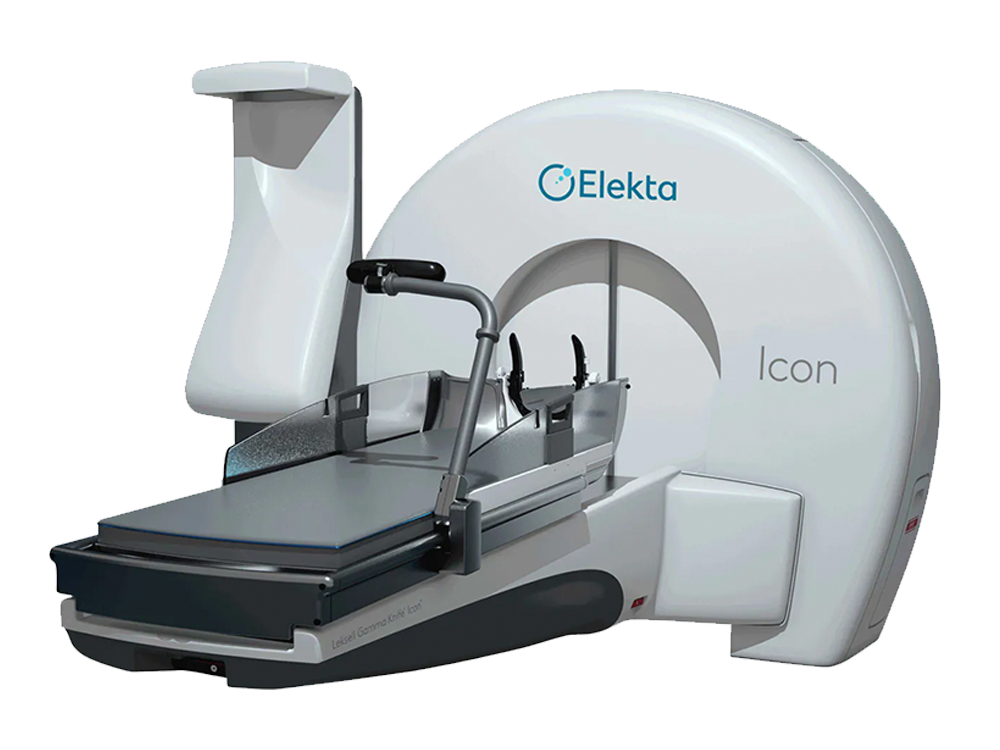
Gamma Knife uses 192 converging beams of radiation to achieve sub-millimetre intracranial precision, making it the gold standard for the treatment of brain metastases, vestibular schwannomas, meningiomas, arteriovenous malformations, trigeminal neuralgia and further indications. Our dedicated Gamma Knife centres in Germany and the United Kingdom are equipped with the latest Leksell Gamma Knife technology.
CyberKnife, available at our centre in Porto, Portugal, combines robotic delivery with real-time image guidance to treat both intracranial and extracranial targets — including spinal, lung, prostate, and liver lesions. Its ability to track and adapt to patient movement during treatment makes it particularly suited to tumours in or near critical structures throughout the body.
Nuclear medicine is a medical specialty that uses small amounts of radioactive substances to diagnose and treat disease. In cancer care, it plays an important role in both molecular imaging and, increasingly, targeted treatment.
For diagnosis, nuclear medicine imaging provides information about the function and biological activity of organs and tissues, complementing conventional imaging that primarily shows their structure. This can help clinicians detect and characterise cancer, determine the extent of disease, support treatment planning and monitor response to therapy.
Nuclear medicine can also be used to treat certain cancers by delivering radiation to targeted cancer cells. This combination of molecular imaging and targeted treatment forms the basis of theranostics, an increasingly important area of cancer care discussed in the section further down.
Chemotherapy remains a cornerstone of oncology care, used either as a standalone systemic treatment or in combination with radiotherapy and other modalities to optimise clinical outcomes. At Stingray Healthcare Group centres, chemotherapy is administered by experienced oncologists and specialist nursing teams in dedicated clinical environments designed to ensure patient safety, treatment continuity, and appropriate supportive care throughout the care pathway.
Our multidisciplinary approach integrates treatment planning, real-time monitoring, and supportive care to maximise therapeutic efficacy and manage adverse effects. Regimens are tailored to the individual patient based on tumour histology, staging, and clinical history, developed in close collaboration with referring physicians and specialist oncology teams across the network.
Integrative support therapies are an essential component of high-quality, whole-patient cancer care — addressing the physical, psychological, and functional needs of patients alongside primary oncology treatment. Stingray Healthcare Group centres provide a range of evidence-based supportive care services, coordinated by multidisciplinary teams to complement and enhance the primary treatment pathway.
Support services available across our network include nutritional counselling, physiotherapy, psychological support, fatigue management, and pain control — all integrated within the patient’s individualised care plan. These services are designed to improve treatment tolerance, reduce the burden of side effects, support functional recovery, and enable patients to maintain quality of life throughout and after treatment.
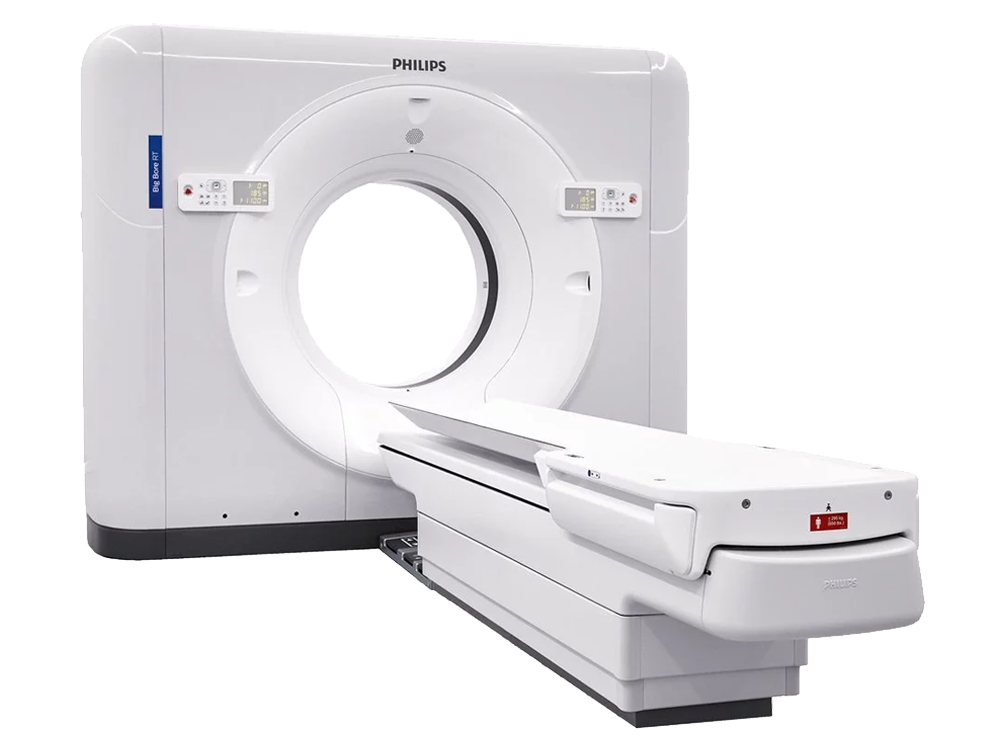
Our centres are equipped with the latest generation of radiotherapy and radiosurgery technology giving our clinical teams the tools to deliver the most precise and effective cancer treatments available today. Continuous investment in technology renewal is a core commitment of the Group, ensuring that every centre in our network operates at the forefront of modern oncology.

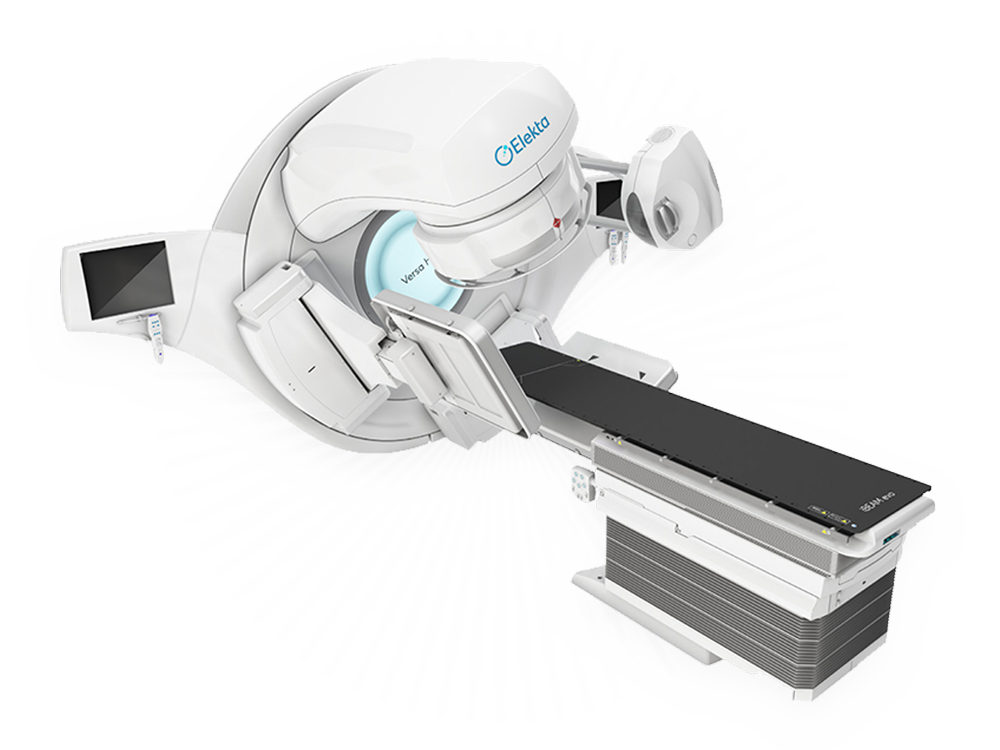
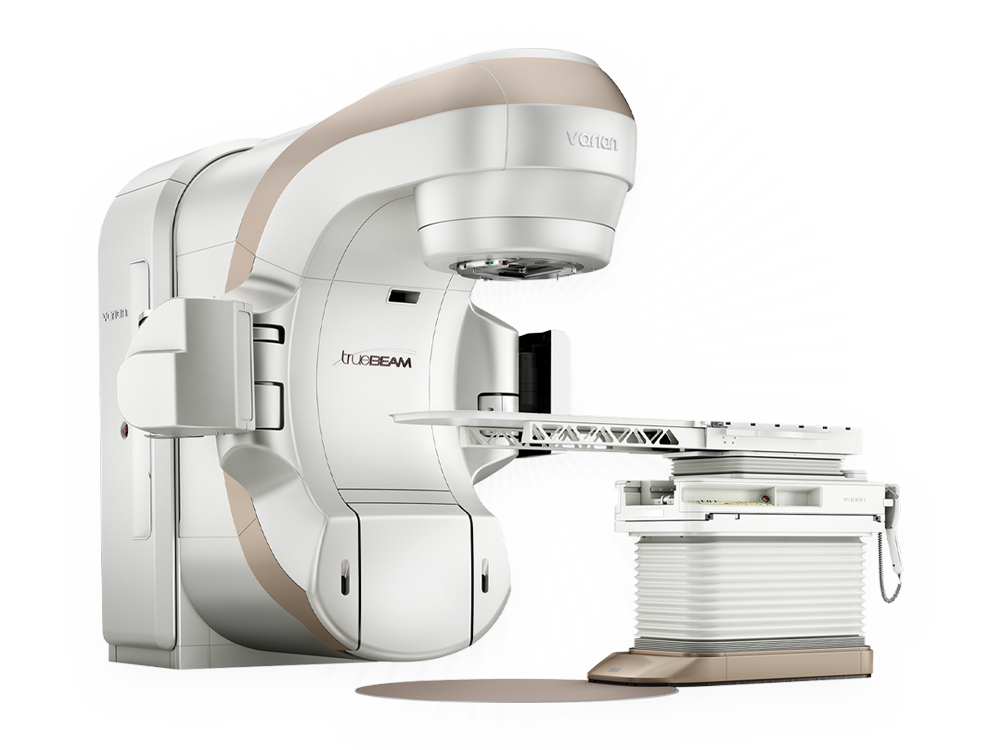
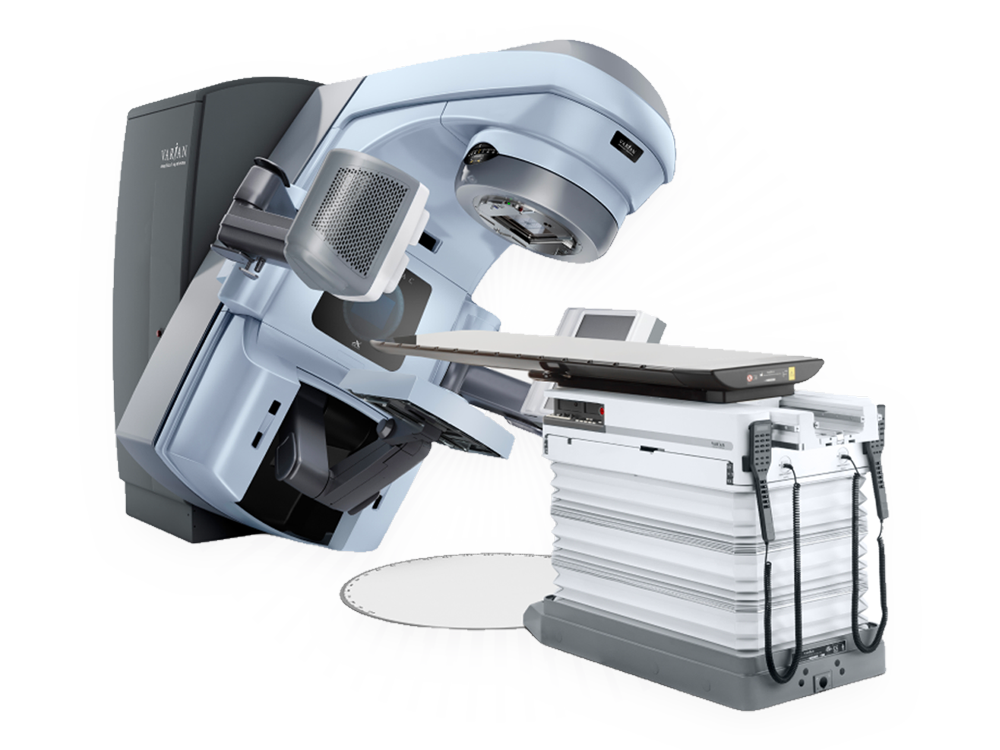

Stingray Healthcare Group operates a growing network of radiotherapy and radiosurgery treatment centres across Europe, bringing together leading clinicians, advanced technologies, and multidisciplinary expertise. With more than 30 centres across eight countries, the Group enables the sharing of clinical best practices, innovation, and high-quality cancer care at scale — making it Europe’s largest independent oncology platform.